Brass is still commonly used in applications where corrosion resistance and low friction are required, such as locks, hinges, gears, bearings, ammunition casings, zippers, plumbing, hose couplings, valves, and electrical plugs and sockets. It is used extensively for musical instruments such as horns and bells.
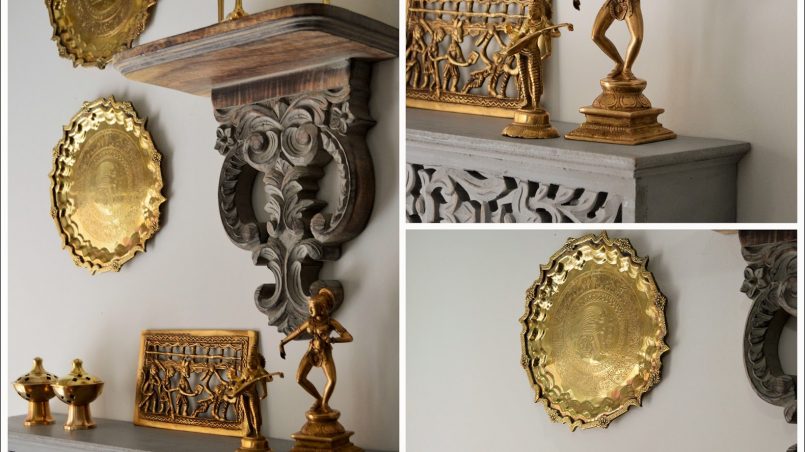
Brass is widely used for decorations, thanks to its specific colour, which tones of gold, red and silver, as well as in the field of mechanics: MPT Srl is also a manufacturer of brass metal components, for various uses. Due to its great resistance to corrosion, one of the most common uses of brass is in applications that require a material with a low coefficient of friction, such as connectors and connecting parts. Brass is used in metal components mainly because it has a long service life and resistance to wear and tear.
A further group of metal alloys includes those made of copper and zinc, which are added to improve the mechanical and physical properties of the material, to further increase its resistance to corrosion or to change its colour. This is the case, for example, of brass used in the naval sector, where a small amount of tin provides an effective remedy against corrosion caused by seawater, lead brass, which is easy to work with and is malleable and, lastly, aluminium brass, which has even greater resistance to corrosion than naval brass.